
Please search the application by their name or their segment name or product code.
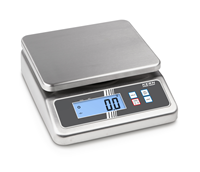
When hand-rearing young animals in the zoo, precise portioning of food is essential. The amount of food is regularly adjusted according to the young animal's stage of development to ensure healthy growth. This not only contributes to the animal's well-being, but also enables effective control over nutrition and development.
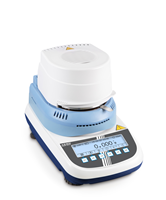
A moisture analyzer is used to check the residual moisture content of dried alfalfa after chopping and drying. This measurement ensures reliable feed quality and helps prevent mold growth caused by excessive moisture.
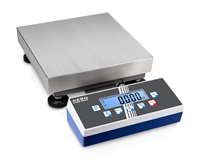
Birds of prey in captivity are weighed daily to monitor their health. Weight fluctuations can indicate disease, parasites, or feeding problems. Regular weight recording is therefore a key component of responsible and species-appropriate husbandry.

Before transport between zoos, the animals' body weight is recorded to reliably assess their health and nutritional status. This weight determination supports the veterinary examination, transport clearance, and safe planning of the animal transfer.
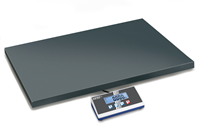
In zoological facilities, pregnant female kangaroos are regularly weighed to monitor their health and the development of their young. The difference in weight compared to their starting weight provides valuable information about the progress of the pregnancy and supports appropriate feeding and veterinary care.
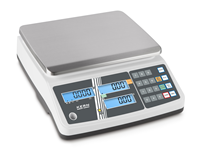
After breeding, mealworms are weighed in defined quantities for sale and shipping. This weight-based portioning replaces time-consuming counting, reduces errors, and saves labor.