Please search the application by their name or their segment name or product code.
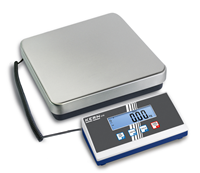
Before every veterinary treatment, the animal's weight is recorded to ensure the accurate dosage of medications such as painkillers, antibiotics, or anesthetics. Regular weight checks prevent incorrect medication and contribute significantly to animal welfare.
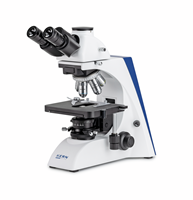
For the investigation of a. Skin scrapings are used to carefully remove a few skin cells at the transition between the changed and healthy skin of the animal with a scalpel blade and examine them under the microscope. In this way it can be seen whether the changed area of skin is infested with parasites, bacteria, fungi or yeasts. For this examination, which is used to monitor the health of the animals, the microscope should have a magnification of 1000x
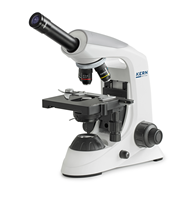
The balance of the canine gut microbiome is an important criterion for canine health. Therefore, the dog excrement should be examined regularly under the microscope. In this way, key germs of the intestinal microbiome can be detected in order to quickly and easily detect a possible imbalance. For this fecal analysis, the microscope should have a magnification of 100x.