Please search the application by their name or their segment name or product code.

In wastewater treatment plants, the solids content of activated sludge is determined to control the dry matter or biomass in the wastewater. This measurement supports process monitoring and helps to maintain the treatment plant's consistent purification performance.

Dried sewage sludge is taken as a defined sample after the drying process and weighed precisely. Weight control ensures compliance with predefined standard values and provides a reliable basis for further evaluation.
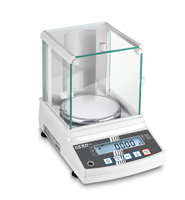
In the sewage treatment plant laboratory, apprentices use the precision scale to precisely weigh solution components and prepare solutions. For these laboratory processes, it is crucial that work is carried out precisely and that the scale is easy to use. This is essential for quality assurance and customer satisfaction. Thanks to its universal applicability, it helps to ensure that safety standards are met and that the apprentices' training is practical and effective.

In wastewater analysis, filterable suspended solids are precisely weighed using a precision balance. Accurate weight determination supports a reliable assessment of water quality and provides an important basis for further analysis and treatment processes.

Ultrafiltration is used to check the quality of the purification of wastewater. By precisely weighing the retentate, the residual concentration of, for example, salts, sugars, protozoa, bacteria, protein-bound substances can be determined. This makes it clear whether the purification process needs to be repeated.
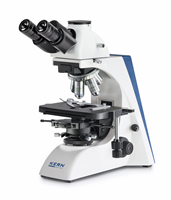
In wastewater treatment plants, activated sludge is examined for E. coli bacteria, Salmonella, and other pathogens using a phase-contrast microscope. This microbiological monitoring supports the safe assessment of the sewage sludge and reduces health and environmental risks.