
Please search the application by their name or their segment name or product code.

Analysis of the shrinkage behavior of a fabric sample. The change in a substance when it comes into contact with water or steam is decisive for further processing. Knowing about the properties of a material allows a better and more precise use of this material

A folded vascular prosthesis is tested for its behavior during expansion and contraction to reliably assess its extension behavior. This allows for a targeted evaluation of the prosthesis's functional suitability and ensures the quality of its fabrication.
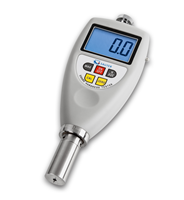
Epoxy resin coatings for internal sensors are tested for complete curing to reliably ensure the product's safe functionality. This allows for the early detection of insufficiently cured components and the avoidance of potential risks to the patient.

The individual components for a suspension solution are precisely weighed to reliably ensure the required composition for further processing. This prevents deviations in the process and supports consistent quality in the subsequent application.
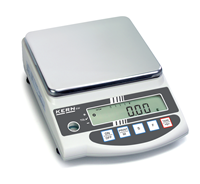
During the dilution process, color solutions are precisely weighed in 10 mg increments to ensure the desired dilution is achieved exactly. This allows for stepwise dosage control and guarantees a reproducible, error-free result.

The particle size of powders is determined in a sieving process by precisely weighing the individual fractions to reliably verify defined limits. This allows deviations to be detected early and prevents defective production batches.
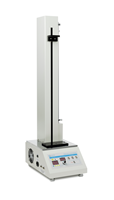
Vascular prostheses made of plastic or textile materials undergo a tensile test to reliably assess their tear resistance and ensure they meet the required load-bearing capacity. This allows defective specimens to be identified early and selectively sorted out before further processing.