Please search the application by their name or their segment name or product code.

Dosage of the amount of adhesive used to attach the blood flow and blood drainage tubes (connectors) to the xygenators. Stable attachment of the tubes and avoiding too much adhesive is vital for the patient.
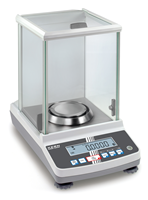
Checking the minimum weight of finished retainer catheter pumps to ensure that the braiding of the product could break due to the use of too little material.
Ensuring that there are no moisture residues left in the finished centrifugal blood flow pump when the product is ready to be delivered. In the worst case scenario, these residues could enter the patient's bloodstream.

After final assembly and leak testing, finished oxygenators are weighed to reliably detect any residual liquid. This check supports product safety, prevents moisture from remaining in the medical device, and contributes to safe delivery.
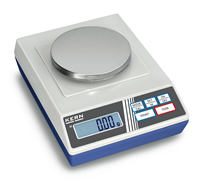
A blood-like test fluid is used to test the quality of artificial heart valves. Its components are precisely weighed using precision scales to ensure the required mixture. This ensures the validity of the test and contributes to the reliability of the heart valve test!