
Please search the application by their name or their segment name or product code.

Individual components such as fabric pieces or other textile parts are reliably counted to prevent over- or under-quantities in the production process. This reduces storage burdens, prevents production downtimes, and supports smooth manufacturing processes.
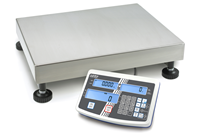
In the outbound goods area, the quantity is precisely checked to reliably match the produced quantity with the customer order and ensure the correct delivery quantity. This prevents shortages and supports a time-saving and reliable shipping process.

The shipping weight of loaded pallets is reliably determined to ensure accurate weight information for transport. This reduces transshipment, delays, and avoidable additional costs.

The carton weight is determined quickly and reliably before shipping to ensure correct registration with the shipping provider. This reduces recalculations, additional time expenditure, and avoidable follow-up costs.
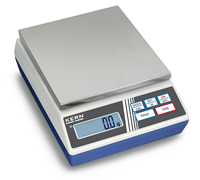
Yarn consumption is determined by precise weighing to ensure reliable calculations when creating sample parts. This allows for better coordination of material usage and machine settings, supporting a smooth production process.

Purchased fabrics are inspected by weighing a defined section of the fabric to reliably assess their quality. This allows defective materials to be identified early and production errors to be avoided in the subsequent process.
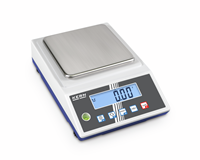
New textile products are tested by precisely determining their weight to reliably assess fabric quality and detect deviations early on. This helps avoid production errors and supports the development of flawless products.
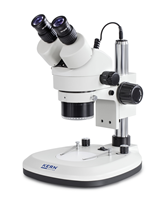
Knitting defects, sewing errors, and thread breaks are quickly detected and analyzed to pinpoint their causes and correct them early. This prevents defective batches, increases process reliability, and reduces costs.
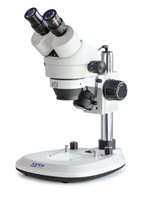
During the training, yarns are examined under a microscope to precisely determine yarn composition, yarn thickness, and other material-relevant parameters. This provides a sound understanding of fibers, material properties, and their applications.
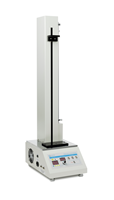
Hook and loop fasteners undergo a tensile test to reliably verify their tensile strength and tear resistance. This ensures that the connection maintains its function up to the defined tolerance limit and that defective products are identified early.