SegmentImages

Natural science museums

Natural science museums collect, preserve, research, and communicate objects and findings from fields such as biodiversity, geology, paleontology, and environmental research. This sector is currently characterized by the ongoing digitization of collections, the expansion of participatory educational formats, and the growing societal relevance of topics like climate change and biodiversity loss. At the same time, the demands on long-term preservation, scientific documentation, and contemporary public communication of complex content are increasing. As a result, natural history museums remain key players at the intersection of research, education, and public engagement in an era marked by environmental change.

Application Search

Please search the application by their name or their segment name or product code.

Filter by Product Group
EFS 5000-0S05
EFS 5000-0S05

In soap making, oils, fats, lye, and flavorings are precisely weighed according to the recipe. This accurate dosing ensures consistent soap quality, reproducible properties, and a safe manufacturing process.
OZL 464T241
OZL 464T241

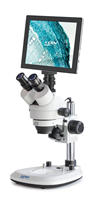
In a natural history museum, visitors have the opportunity to examine groundwater samples under a microscope. This reveals organisms such as crustaceans and bacteria, providing insights into the biological quality and biodiversity of the groundwater. This hands-on approach fosters an understanding of groundwater as a vital resource and simultaneously highlights its vulnerability to climate change and overexploitation.

Back