Please search the application by their name or their segment name or product code.
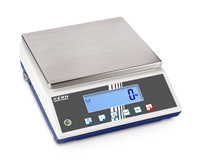
After the rose hips have been dried and ground, the powder is filled into 500g containers. The bags are weighed to guarantee the specified filling quantity. Only precise handling can avoid complaints. A calibrated scale is used here.
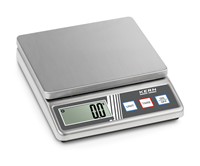
Flour packages for retail sale are randomly checked for correct fill weight to ensure the filling machine settings are accurate. This effectively prevents shortages, customer complaints, and unnecessary product loss due to overfilling.
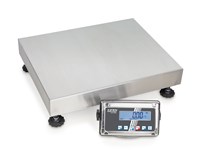
After flour is filled into paper bags, each bag is weighed on a calibrated platform scale before sealing. This weight check ensures the correct fill quantity and supports legally compliant and cost-effective filling processes.

Packages containing flour, grain, or other milled products are weighed to accurately determine the shipping costs and register the shipment with the parcel service. Knowing the exact package weight speeds up the shipping process, avoids additional charges, and reduces unnecessary shipping costs.
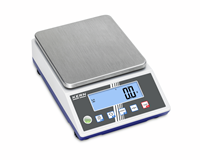
Large milling companies have a laboratory for testing and improving their flour. A precision balance is used to measure a flour sample in the laboratory. It is important that the sample quantity is weighed very precisely, otherwise no informative sample results will be achieved.