Please search the application by their name or their segment name or product code.
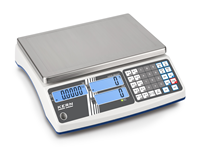
Screws, rivets, and other small parts are quickly and reliably counted by their individual weight using a counting scale. Weight-based inventory management reduces counting errors, saves time, and ensures reliable material availability in the warehouse.
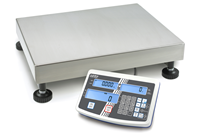
In automated production lines, workpieces, for example during the grinding of metal surfaces, are continuously processed via conveyor belts. To track a defined number of manufactured parts, the total weight of the parts is used. As soon as the predetermined weight is reached, the process stops automatically, and the workpieces can be removed and prepared for shipping. This method enables reliable and efficient piece counting without manual counting.
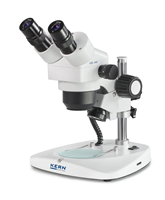
Microscopes are also used when deburring metal workpieces such as nozzles, housings, or cookware after pressing, i.e., when removing edges or fraying. This allows even the smallest burrs to be detected and reliably removed, ensuring the functionality of the workpieces and guaranteeing their flawless condition.
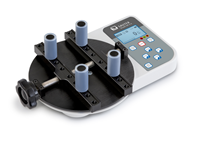
The rotational behavior of cam-type screw caps on jars and bottles is checked randomly using a torque measuring device. This inspection helps to identify defective batches early, avoid complaints, and ensure reliable closure quality.