Please search the application by their name or their segment name or product code.

The precise testing of the mixing ratios of lubricants reduces wear and repair costs.
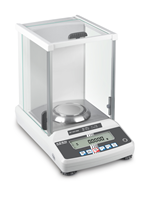
In lubricant manufacturing, additives are dosed with milligram precision using an analytical balance to achieve the desired product properties. This precise weighing prevents readjustments and ensures a smooth production process.
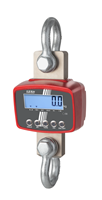
Liquids and raw materials from barrels are roughly and reliably pre-weighed before use in production to quickly determine material quantities and efficiently prepare the process. This allows weighing to be integrated into material transport without additional time expenditure.
Liquids and raw materials in barrels are weighed directly upon delivery using a crane scale during unloading. This weight check verifies the delivery quantity according to the delivery note, prevents shortages, and supports precise material management.

Plastic parts are tested for material changes after contact with lubricants using hardness testing. The measurement results support the assessment of lubricant compatibility and help to prevent wear, abrasion, or malfunctions at an early stage.
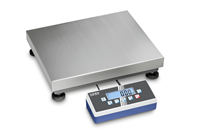
When filling lubricants into 1- to 5-liter canisters, the fill level is checked at random during the ongoing production process. This in-process control prevents overfilling and underfilling and allows for quick readjustment of the filling system.

Lubricating oils such as hydraulic oils, gear oils, or sliding oils are filled into metal canisters and the correct fill level is checked by weighing. This prevents overfilling and underfilling, reduces complaints, and improves the efficiency of the filling process.

Packages are weighed before shipping to ensure the correct weight is recorded for registration with the parcel service provider. This quick weight determination supports smooth shipping processing and helps avoid additional postage and other extra costs.

Samples for the development of new products are weighed precisely in the milligram range and mixed meticulously to ensure reproducible results. This minimizes the consumption of test material and makes development work more economical.

Liquids, pasty lubricants, and other components are precisely weighed during the filling and mixing process to reliably prevent quantity deviations. This ensures a smooth production process and consistently high product quality.

For silicone oil-in-water emulsions, silicone oil and water are precisely weighed to reliably maintain the specified mixing ratio. This precise dosing ensures consistent lubrication, stable product properties, and safe further processing.

The distribution of lubricants on defined surfaces is analyzed to optimize the lubricant film thickness and thus reduce material wear. This allows for cost reduction and improved efficiency of tribological processes.
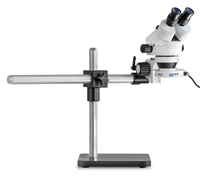
In roughness measurement, the measuring device is positioned precisely on the wear sample using a stereo microscope. This pinpoint placement enables reliable measurement results and supports a precise assessment of surface quality.