Please search the application by their name or their segment name or product code.
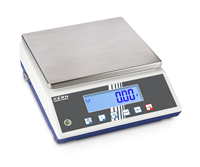
Weight check of packages and parcels in the outgoing goods area to ensure that the maximum permissible shipping weight is not exceeded.
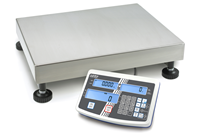
During order picking, packages are weighed to ensure compliance with the permissible weight limit and to detect any excess weight early on. This avoids additional costs and makes the shipping process more efficient.
Upon arrival, goods are checked for completeness by weighing them. This rapid weight check makes any shortages visible early on, reduces research efforts, and prevents unnecessary follow-up costs.
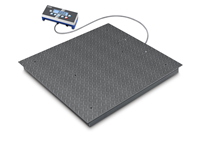
Loaded pallets are weighed in the shipping area and compared with the order data from the ERP system to check their completeness. This allows for the early detection of shortages and the targeted prevention of errors in shipping processing.
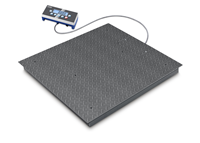
The cargo is weighed to reliably determine and correctly document the shipping weight in accordance with SOLAS regulations. Precise weight recording supports compliance with legal guidelines and helps to avoid risks during transport.
The total weight of export pallets is recorded during the ongoing conveyor process to provide reliable weight information for customs declarations and shipping documents. Automatic weighing saves time, improves process reliability, and simplifies shipping procedures.
Pallets are weighed after loading in the shipping area to reliably record the actual shipping weight. This precise weight determination supports correct registration with the freight forwarder and helps reduce avoidable subsequent costs.
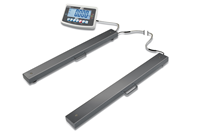
For sea and air freight, oversized pallets are precisely weighed to reliably record shipping weights. This weight control supports compliance with shipping guidelines and ensures safe and predictable freight handling.
When transferring stored goods onto outbound pallets within the conveyor system, the pallet weight is checked to reliably prevent overloading. The defined safety check at 600 kg supports a safe material flow and reduces risks in the subsequent transport process.
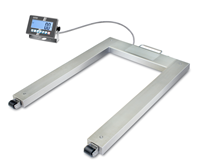
Weighing the loaded pallet in shipping and entering the weight into the ERP system. Comparing the determined weight with the order documents to check completeness.
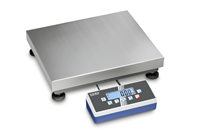
During warehouse order picking, small items are transferred from incoming goods pallets into BITO boxes and weighed before being stored in the shuttle warehouse. Weight control prevents the boxes from being overloaded and supports efficient warehouse processes.
During order picking, filled cartons are checked for completeness by weighing them. Comparing the actual weight with the target weight from the ERP system allows for quick verification of shipments ready for dispatch.
After a batch correction, packages ready for shipment are weighed again to verify correct loading. This second weight check confirms compliance with the order and reduces shipping errors.
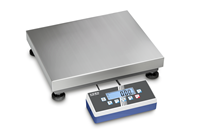
Upon receipt, goods are checked by comparing the actual weight with the target weight stated on the delivery note. This weight check allows for the rapid detection of shortages and speeds up the resolution of discrepancies.