
SegmentImages

Laboratory analysis for building materials

Laboratory analysis for building materials includes precise measurement and evaluation of material properties—such as compressive strength, moisture content, grain size, composition, contaminant content, and durability of concrete, cement, mortar, aggregate, and other building materials. Rapid on-site analysis using mobile devices, digital LIMS sample management, and documented test procedures according to standards (such as DIN EN 196 and DIN EN 12390) are increasingly in focus. Challenges include ensuring reproducible results, complex sampling, cycles in climatically variable environments, and personnel qualifications. Laboratories with accredited methodological reliability provide reliable data—crucial for quality, safety, and sustainable construction processes.

Application Search

Please search the application by their name or their segment name or product code.

Filter by Product Group
ACJ 200-4M
ACJ 200-4M

Laboratory testing of potentially contaminated building materials precisely determines their weight before and after incineration or other testing methods. This weight measurement supports the verification of pollutants and helps to identify and avoid health risks early on, prior to renovation work.
PCB 300-2
PCB 300-2

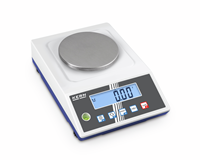
Building materials are weighed before and after drying to reliably determine their moisture content based on weight changes. The drying test provides reliable moisture values and supports the assessment of building material quality, load-bearing capacity, and potential damage risks.

OBL 146
OBL 146

Air filters are microscopically examined after remediation or demolition work to reliably detect any asbestos fibers. This analysis increases safety for everyone involved, supports pollutant assessment, and helps reduce liability risks and costly consequential damages.

Back