
Please search the application by their name or their segment name or product code.

In doping tests, the specific gravity of urine is determined using a refractometer to assess the concentration of dissolved particles. This measurement supports rapid, validated urine diagnostics and facilitates reliable sample evaluation.
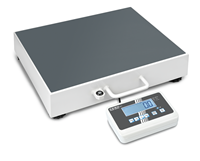
In internal medicine practices, patients' body weight is regularly checked using bathroom scales to reliably detect changes. This continuous weight monitoring supports medical progress assessment, facilitates early intervention, and improves patient documentation.
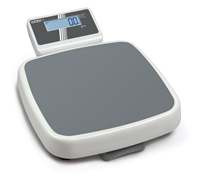
Consistent weight control is a key component of treatment for type 2 diabetes. Regular weighing documents whether measures such as dietary changes and exercise are working—an important indicator of treatment success and long-term metabolic stability.

To measure saliva production in patients with Sjögren's syndrome, a cotton ball is precisely weighed before and after chewing. A precision scale records the small differences in weight in order to accurately determine the amount of saliva stimulated by chewing.