
SegmentImages

Institutes of Marine Biology

Marine biology institutes investigate marine organisms, habitats, and ecological relationships in oceans, coastal waters, and transition zones. This sector is characterized by increasing demands for long-term environmental monitoring, interdisciplinary data analysis, and the scientific assessment of changes caused by climate change, pollution, and biodiversity loss. At the same time, networked observation systems, modern analytical methods, and the close integration of research, policy advice, and marine conservation are gaining in importance. For institutions in this field, this sector remains crucial because it provides fundamental knowledge for the protection of marine ecosystems, the understanding of biological processes, and the sustainable use of marine spaces.

Application Search

Please search the application by their name or their segment name or product code.

Filter by Product Group
MBF 100K-2
MBF 100K-2

A biological institute is investigating the targeted breeding of Heligoland lobsters to strengthen natural populations. Captured, potentially sexually mature animals are weighed before being introduced to each other. Body weight serves as an important indicator of sexual maturity and aids in the selection of suitable males and females for reproduction. A bowl-shaped platform is used to ensure accurate weight measurement and prevent the animals from slipping.
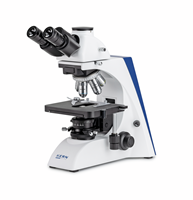
OBN 135
OBN 135

In marine biology, light microscopes are well suited for observing plant cells in research. For example, they are often used to study microorganisms. In this way, disease-causing germs such as fungi or bacteria that have infested the plant can be detected. These are important results that allow conclusions to be drawn about an entire ecosystem

Back