Please search the application by their name or their segment name or product code.
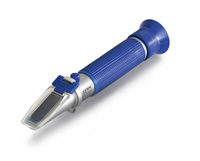
The water or groundwater can be checked quickly using a refractometer. In particular, the salt content is checked. Too high a salt content would cause damage to agricultural crops and exceed legal limits.
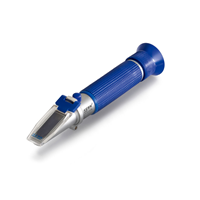
A high Brix value (high sugar content) is an indication of the good taste and quality of a plant. A product with a high Brix value can be stored longer and is more resistant to insects. So testing the sugar content of the plant with a refractometer is the best choice to determine the health of a plant. A simple and efficient method
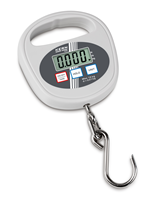
In agricultural research institutes, harvested crops and plant components are weighed directly in the field or in cultivation areas such as climate chambers and polytunnels to collect reliable yield data. This enables efficient evaluation of experiments and improves the comparability of measurements under real-world growing conditions.
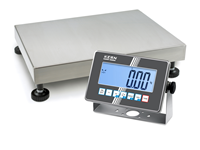
After cultivating experimental plants, the entire harvest or individual plant parts such as stems and leaves are weighed directly in the field using a platform scale. This allows for precise yield measurements and reliable comparison of different cultivation and irrigation methods.

In the development of soil improvers, components such as water, lactic acid bacteria, yeasts, and sugar cane molasses are precisely weighed. This accurate dosage ensures a reproducible formula and contributes to the effectiveness of the soil amendment.
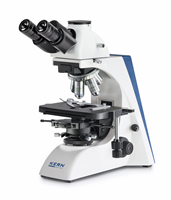
Insects are extremely important in the agricultural landscape. However, their numbers have declined dramatically in recent decades. It is therefore important to examine species under the microscope, to describe them in order to be able to differentiate them from one another, to research their genetics and evolution and in this way to be able to put a stop to species extinction.