
SegmentImages

Forensic departments

Forensic departments deal with the assessment, treatment, and care of individuals at the intersection of medicine, psychiatry, law, and public safety. This sector is characterized by high professional, legal, and organizational demands, as well as a growing need for quality assurance, specialized qualifications, and robust therapy and prognostic procedures. At the same time, institutions are under pressure to balance security, treatment success, and social reintegration. Departments in this field must work interdisciplinarily and responsibly evaluate complex individual cases. This ensures that the sector remains crucial for legally compliant decisions, structured treatment processes, and a reliable contribution to public safety.

Application Search

Please search the application by their name or their segment name or product code.
Filter by Product Group
NXC 600K-1M
NXC 600K-1M

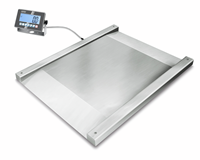
When conducting autopsies and taking stock of victims of violent crimes, the weight of the deceased is also an important parameter for forensic scientists. A drive-through scale is used here, with which the dead person can be weighed directly on the stretcher without having to be reburied.

440-53N
440-53N

During an autopsy, the organ that is removed should be weighed directly on the autopsy table, as it could lose weight due to dehydration if left lying around for too long. The reason for recording the organ weight is that there may be a connection between organ weight and the manner of death.

Back