SegmentImages

Engineering offices for environment engineering

Environmental engineering firms plan, evaluate, and oversee technical solutions for environmental, climate, and resource protection, for example, in the areas of emission reduction, water management, waste management, energy efficiency, and permitting processes. This sector is currently characterized primarily by increasing demands for resource efficiency and the circular economy, the pressure to decarbonize, and the ongoing shortage of skilled engineers. At the same time, digital planning and documentation processes are gaining importance because projects are becoming more complex and interdisciplinary due to regulatory requirements. This makes environmental engineering firms a key partner for companies and public sector organizations that want to implement investments safely, in compliance with regulations, and with a focus on long-term sustainability.

Application Search

Please search the application by their name or their segment name or product code.

Filter by Product Group
ADJ 100-4
ADJ 100-4

In environmental technology laboratories, contaminated building materials are weighed before and after testing procedures such as filtration or ashing using an analytical balance. This enables the precise measurement of even the smallest weight differences and supports a reliable material assessment.
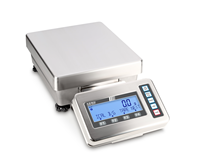
FES 17K-4
FES 17K-4

In ultrafiltration, the retained retentate is weighed using a precision balance to determine the quantity of filtered-out substances. This supports the control of filtration processes and improves quality assurance in water treatment and laboratory analyses.

EMB 2000-2
EMB 2000-2

When conducting a soil analysis, weighing the sample material is an important step. This involves accurately determining the mass of a sample using a scale to prepare it for analysis. It is important to ensure the correct sample quantity. Only then will the results be reliable.

Back