Please search the application by their name or their segment name or product code.
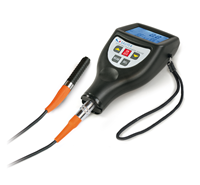
The internal coating of hydraulic cylinders is checked with a coating thickness gauge to reliably maintain the specified coating thickness. This supports quality assurance, improves operational reliability, and helps prevent damage caused by insufficient coatings.
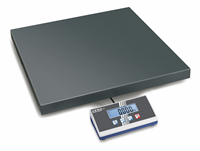
In the development of customer-specific cast iron alloys, additional components such as manganese, chromium, silicon, or nickel are weighed precisely. This precise weighing ensures reproducible material properties and creates a reliable basis for subsequent production.

The weight of a vibration damper is checked after production using a precision scale. Even the smallest deviations can affect the damping performance – this inspection ensures full functionality and prevents complaints!

A sound level meter allows for quick and reliable testing of the noise emissions of machines and equipment before they are placed on the market. This facilitates better compliance with legal requirements, avoids costly rework, and improves quality assurance at the manufacturer.