Please search the application by their name or their segment name or product code.

Before packaging, each Camembert is weighed. Products that do not meet the required weight are rejected. A calibrated scale that meets the hygiene requirements of the food industry is used for weight control.

To ensure the quality of whey powder, the whey composition is tested using a refractometer before drying. A Brix value that is too low results in a dusty product. Therefore, this control is crucial to ensuring a high-quality end product.

Rennet for cheese production is available in liquid and powder form. To make cheese, cheesemakers weigh the required rennet powder precisely using precision scales. Accurate measurement is extremely important, as every tenth of a gram can change the final product and its specific properties, which should be avoided.
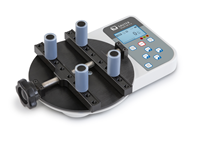
Screw caps and lids for glass or PET bottles must be tight, easy to open, and reliably resealable. To detect defective batches, they are randomly tested using a torque measuring device.

During the development and production of probiotic dairy products, the number of live lactic acid bacteria is monitored under a microscope. This microbiological testing ensures consistent product quality and contributes to a flawless product.
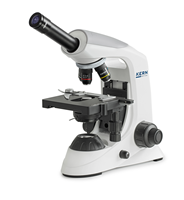
During the extraction of lactose from whey, crystal formation is observed and evaluated microscopically. This monitoring process supports controlled crystallization and helps to achieve the desired crystal size and consistent product quality.
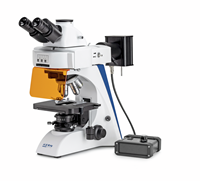
The microbial count of incoming milk is tested at least twice a month in accordance with the Milk Quality Ordinance. Using a fluorescence microscope, the number of microorganisms is recorded and expressed in colony-forming units (CFU). This ensures that the milk always meets the highest quality standards.