Please search the application by their name or their segment name or product code.
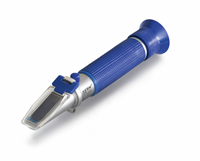
In a mature, high-quality honey, the water content should settle at 15%-19%. The exact division of the scale of 0.1 percent is important. This water content check is necessary to produce good quality honey and ensure customer satisfaction
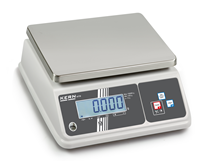
When bottling honey, the fill quantity is precisely checked using a calibrated scale. Accurate weighing ensures adherence to the nominal fill quantity, prevents impermissible underfilling, and supports legally compliant bottling processes.

In the artificial insemination of queen bees, a microscope assists in precisely holding the queen and controlling the introduction of drone sperm. The magnified view allows for more accurate, faster, and gentler work in targeted bee breeding.
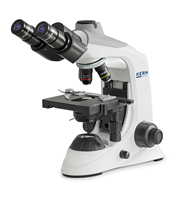
Pollen analysis of honey involves examining the honey sediment under a light microscope at 400x magnification. This analysis helps assess varietal purity, origin, and impurities, and is therefore important for marketing.