Please search the application by their name or their segment name or product code.
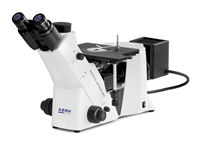
Light microscopes are used to examine and assess archaeological finds in a way that protects the material. Microscopic analysis supports conclusions about composition, processing, and manufacturing, and facilitates sound scientific documentation.
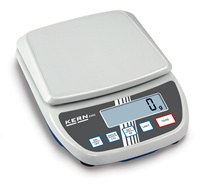
Weight is an important parameter for determining the specific weight of a substance, for example a metal slag, which can be found during excavations. Statements can be made about the composition of the slag or its formation via the specific weight. Iron slag is created when iron ore is melted in a blast furnace or iron is processed in a forge. The determination of the weight of any part of this bag should not be carried out very precisely and is best determined with a precision balance
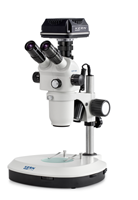
When examining archaeological finds, the light microscopic assessment is the top priority. For better documentation, we recommend a camera that is connected to the microscope in order to be able to carry out an optimal examination. This ensures a quick and material-friendly qualitative statement