Please search the application by their name or their segment name or product code.
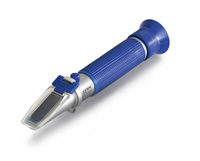
Excessive salt levels in irrigation water can cause significant problems in agriculture, as salt can affect soil structure and damage plants. Regular analysis of irrigation water is therefore crucial to ensure that the quality of the water keeps plants healthy and maximizes their crop yields.

Soil moisture is determined by drying a soil sample and then weighing it. The resulting measurements support needs-based irrigation, prevent drought stress and waterlogging, and promote the efficient use of water and energy resources.
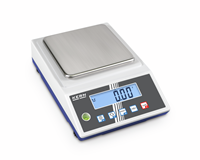
To determine the carbon and nitrogen content of soils, the dried and ground soil sample is precisely weighed into special tin domes using an analytical balance. This ensures reliable sample preparation for subsequent analysis on the CN analyzer.
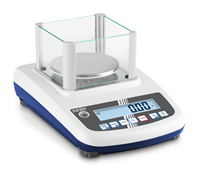
For microbiological analyses in agricultural research, a soil sample of exactly 0.5 grams is weighed using a precision balance. The precise sample size is crucial for reliable DNA analyses, prevents inaccurate results, and ensures the quality of the analysis.
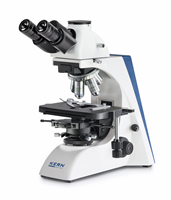
Activated sludge is examined for microorganisms such as bacteria or salmonella using a phase-contrast microscope. This analysis supports the hygienic assessment and helps determine whether sewage sludge is suitable for agricultural use.