SegmentImages

Institutes of agricultural sciences

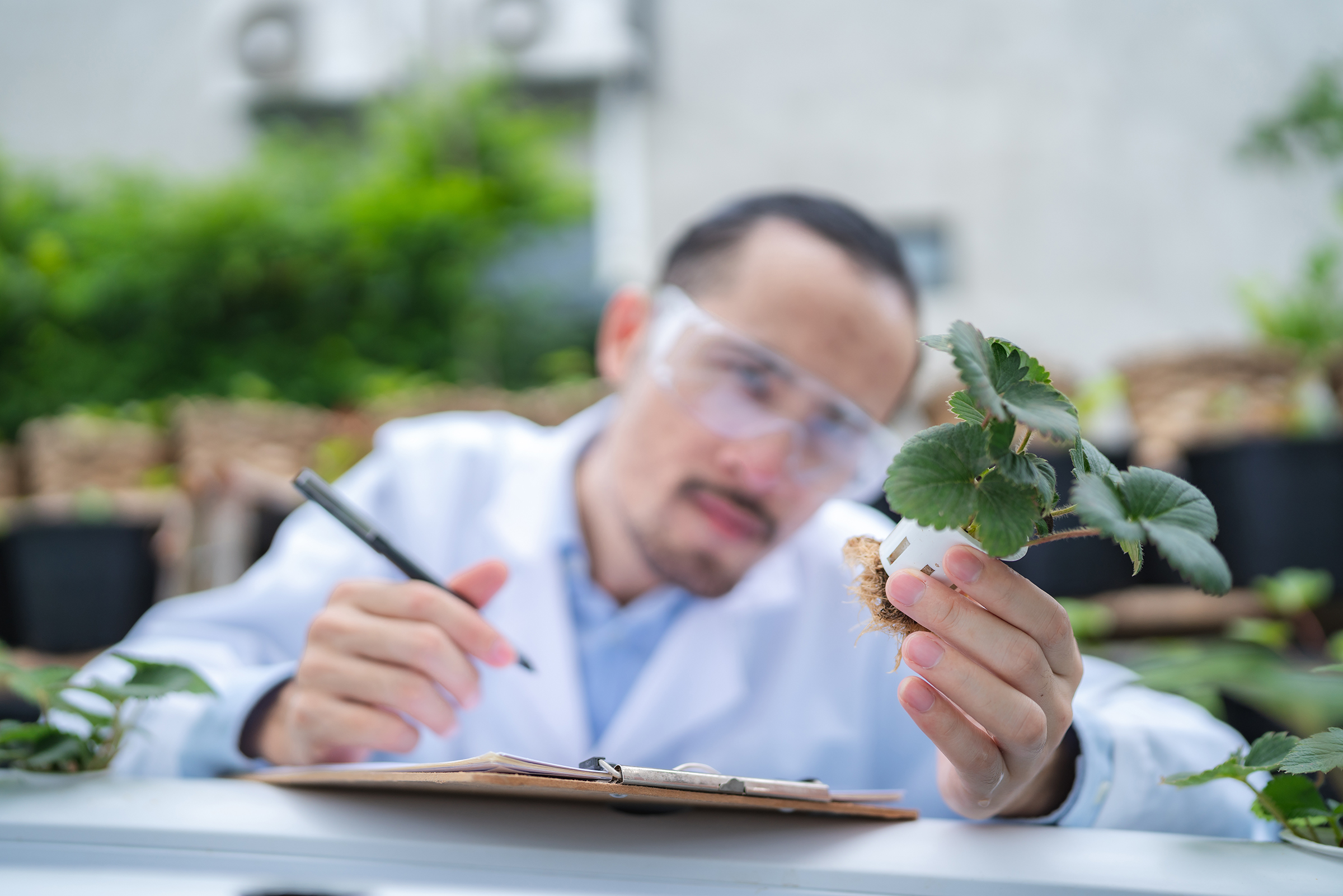
Institutes of Agricultural Sciences are specialized research institutions dedicated to the analysis and development of agricultural systems, technologies, and processes. They work to improve cultivation methods, optimize agricultural technologies, and promote sustainable agricultural practices. Current challenges include climate change, ensuring global food security, and adapting to changing political conditions. Trends such as digitalization in agriculture, the development of biotechnological processes, and the promotion of the bioeconomy shape the research agenda of these institutes. These developments contribute to increasing the efficiency and sustainability of agricultural production and meeting the demands of a growing global population.

Application Search

Please search the application by their name or their segment name or product code.
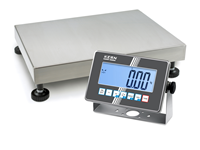
In agricultural institutes, plants are experimentally cultivated in accumulated irrigation or on the ground (with drip irrigation) as well as in cultivated areas such as climatic chambers or film tunnels with different roofs. The harvest or parts of the harvest (stalks, leaves, etc.) are weighed directly in the field in order to gain knowledge about the yield. This is preferably done with a platform scale
ProductImages

Platform scales

IXC 300K-3

View Public Application
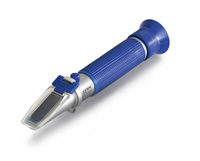
The water or groundwater can be checked quickly using a refractometer. In particular, the salt content is checked. Too high a salt content would cause damage to agricultural crops and exceed legal limits.
ProductImages

Analogue refractometers

ORA 1SA

View Public Application

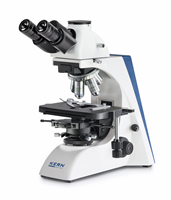
Insects are extremely important in the agricultural landscape. However, their numbers have declined dramatically in recent decades. It is therefore important to examine species under the microscope, to describe them in order to be able to differentiate them from one another, to research their genetics and evolution and in this way to be able to put a stop to species extinction.
ProductImages

Transmitted light microscopes

OBN 159

View Public Application
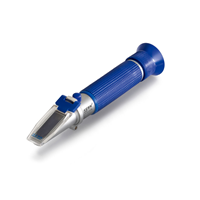
A high Brix value (high sugar content) is an indication of the good taste and quality of a plant. A product with a high Brix value can be stored longer and is more resistant to insects. So testing the sugar content of the plant with a refractometer is the best choice to determine the health of a plant. A simple and efficient method
ProductImages

Analogue refractometers

ORA 32BA

View Public Application
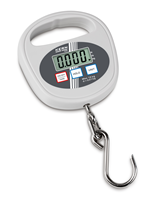
Plants are cultivated on a large scale in agricultural science institutes. On the ground (with drip irrigation) as well as in culture rooms such as climatic chambers or film tunnels. The harvest (potatoes, beets, etc.) or parts of the harvest (stalks, leaves, etc.) are weighed directly in the field in order to gain knowledge about the yield. This weighing process can be carried out with a hanging scale attached to a crane
ProductImages

Hanging balances

HDB 10K-2XL

View Public Application

The aim of using soil improvers is to provide the plant with the best possible nutrition. This strengthens the plant's defenses and makes it less vulnerable. When developing such soil improvers in the laboratory, the components such as water, lactic acid and photosynthesis bacteria, yeasts and sugar cane molasses, etc. are precisely weighed. Precise weighing is important to guarantee the blend and thus the effectiveness of the soil improver.
ProductImages

Precision balances

EWJ 6000-1SM

View Public Application

Back